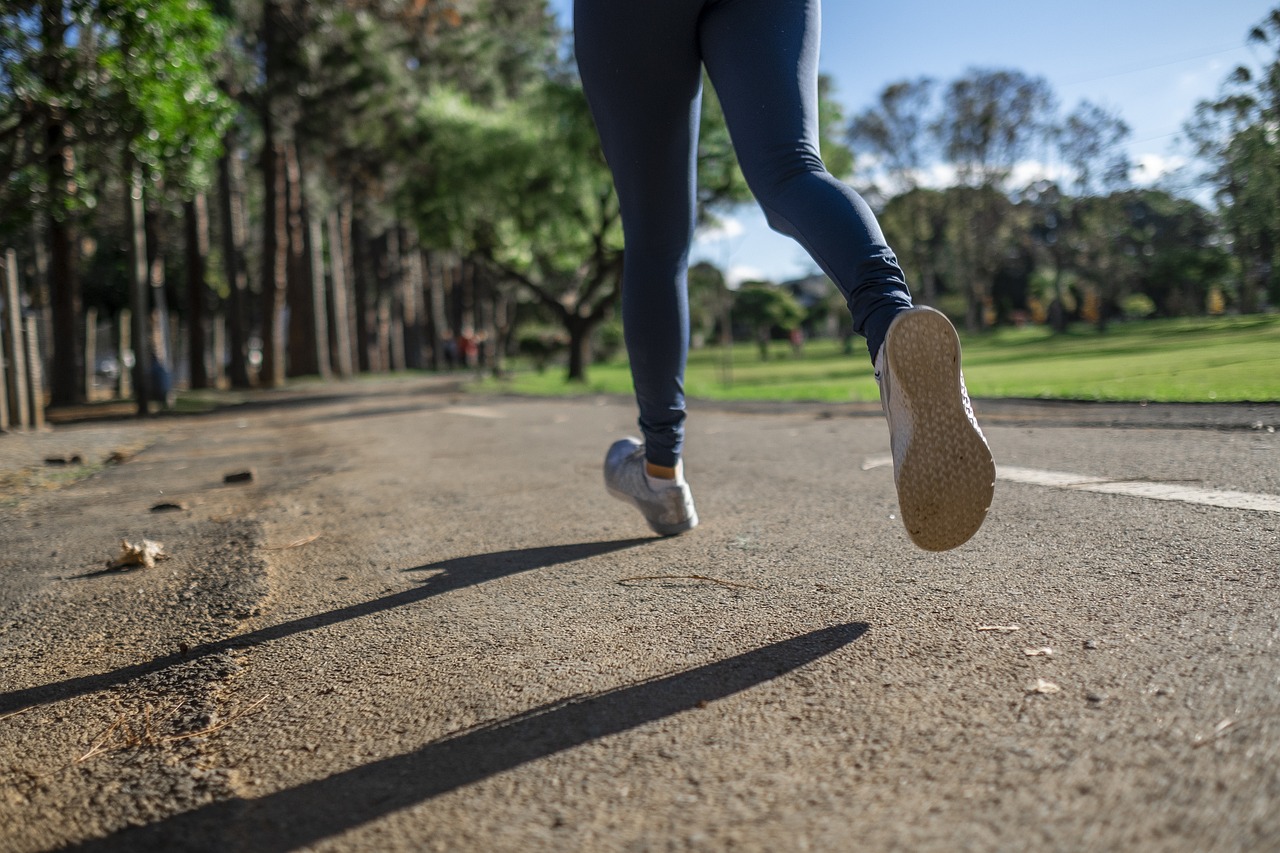
I’m running a 10 mile ‘race’ on Sunday 26 March. I won’t be racing, as such, merely running to finish. I did get a personal best at parkrun in February, the first time I’ve completed it in under 30 minutes (29 mins 46 seconds), and I’m just a few weeks away from my 50th parkrun and that all important 50 t-shirt, which shows I’m a committed parkrunner.
The PR and comms industries are dominated by special days and events in the calendar. March has International Women’s Day on 8 March. For the landmine clearance charity The Halo Trust this meant celebrating the women it helps through training and employment in places in the world where it’s hard to be a woman. The Halo Trust prides itself on providing women with a livelihood in places where women often have few economic prospects.
I attended a Federation of Small Businesses International Women’s Day event on Teams on 8 March, where I was distracted from the content by the slightly shambolic IT. Initially there was no sound from the speakers, then the chat was constantly pinging and we had notification of every single person joining the call late, plus the joy of people without their mics muted speaking over the speakers.
I think they were talking about what’s needed for equality of opportunity for women in business including childcare. Fortunately, I am beyond the need for childcare but, certainly, it used to be a problem when my girls were younger and I know it is a significant reason why so many women take time out of the workplace.
Days such as International Women’s Day are useful for structing the year and ensuring focus falls on causes that are important to us all, in this case, equality of opportunity for women and girls.
Saying which, I have capacity for more retainers and one-off projects in PR and communications this year so if you know of someone I can help, do get in touch.
In other news
I was fascinated by the media’s coverage of Nicola Bulley, the woman who disappeared in Lancashire. Her family specifically named ITV and Sky News, saying they attempted to contact Bulley’s partner after a body had been found. Then Ofcom wrote to the two broadcasters expressing its concern and is considering whether any further action is necessary.
I could only imagine the crisis management that went on at ITN, which makes ITV News. I wish them well. From my reading of the story, the larger intrusion has been by some members of the general public who had been trampling gardens and posting unnecessarily to social media. I noted that Channel 4 News, when it reported that the body discovered was Bulley’s, had only shots of daffodils left out by wellwishers in the area she disappeared.
This was a very difficult story, with Bulley seemingly at first disappearing into thin air. Hence all the speculation about what might have happened to her. Then the Lancashire police made an error of judgement by releasing details of Bulley’s apparent struggles with alcohol and “the menopause”. Finally, a body was found 23 days after Bulley disappeared but only one mile away from where she was last seen.
Public interest was huge – as it is in all true crime. ITN also make true crime documentaries and I am sure they will be asking themselves searching questions about the duty of care they have to victims and survivors, a duty which I know they take very seriously.
Opinion appears to be split between those who thought the treatment of the story was nothing exceptional and those who questioned the ethics of contacting Nicola Bulley’s partner and close friends.
This is interesting about Reach, publishers of the Mirror, publishing its first article written using artificial intelligence: a list of things to do in Newport, Wales. Reach says a journalist put together the data and an editor decided whether to publish the piece or not, and insists the move isn’t part of an agenda to do away with journalists. But it will understandably make journalists nervous.
A friend confessed that she used ChatGPT, the AI writing tool of the moment, to draft an acceptance letter for a new job, although it did need quite a bit of editing. She said it saved her loads of time and gave her a structure to work with.
Then yesterday Press Gazette published this piece about ChatGPT getting basic facts wrong in a story about a mugging.
AI in comms suddenly seems to have gone mainstream. I’m heartened by Press Gazette’s conclusion that ChatGPT won’t be let loose as a reporter any time soon. But then PG goes on to say AI presents a huge threat to publishers’ business models as a new form of search that answers questions without highlighting sources or links. That means, no compensation to the publishers for the content scraped by ChatGPT from their sites.
I use AI tools, specifically Grammarly to check grammar, sense and plagiarism and Otter.ai for transcription. Neither are perfect and need to be checked but, clearly, AI is having an impact in communications, PR and journalism and will continue to do so.
That’s it for this month. Quite a long read – congratulations if you made it to the end.
 Lucy Rouse PR Blog