At the start of this month I had a great, much needed summer holiday. I had completely forgotten what it’s like to feel totally and utterly relaxed, with everything that I should care about temporarily on the back burner, whether it’s the joys of young adult offspring, the demands of a busy organisation with too few staff or the imminent demise of society and the very planet we live on. And now I’m back at work, juggling most of my time for The Cheltenham Trust with a bit of time helping out The Halo Trust which has found it very hard to recruit a permanent social media manager and it’s not because they’re not paying enough. It’s a candidates’ market at the moment…
I’ve been so busy with The Cheltenham Trust that I’ve barely had time for my own business. I do have one day a week when I’m available for new work and I have a fixed term contract with The Cheltenham Trust so do bear me in mind, as ever, if you need any comms support.
In other news
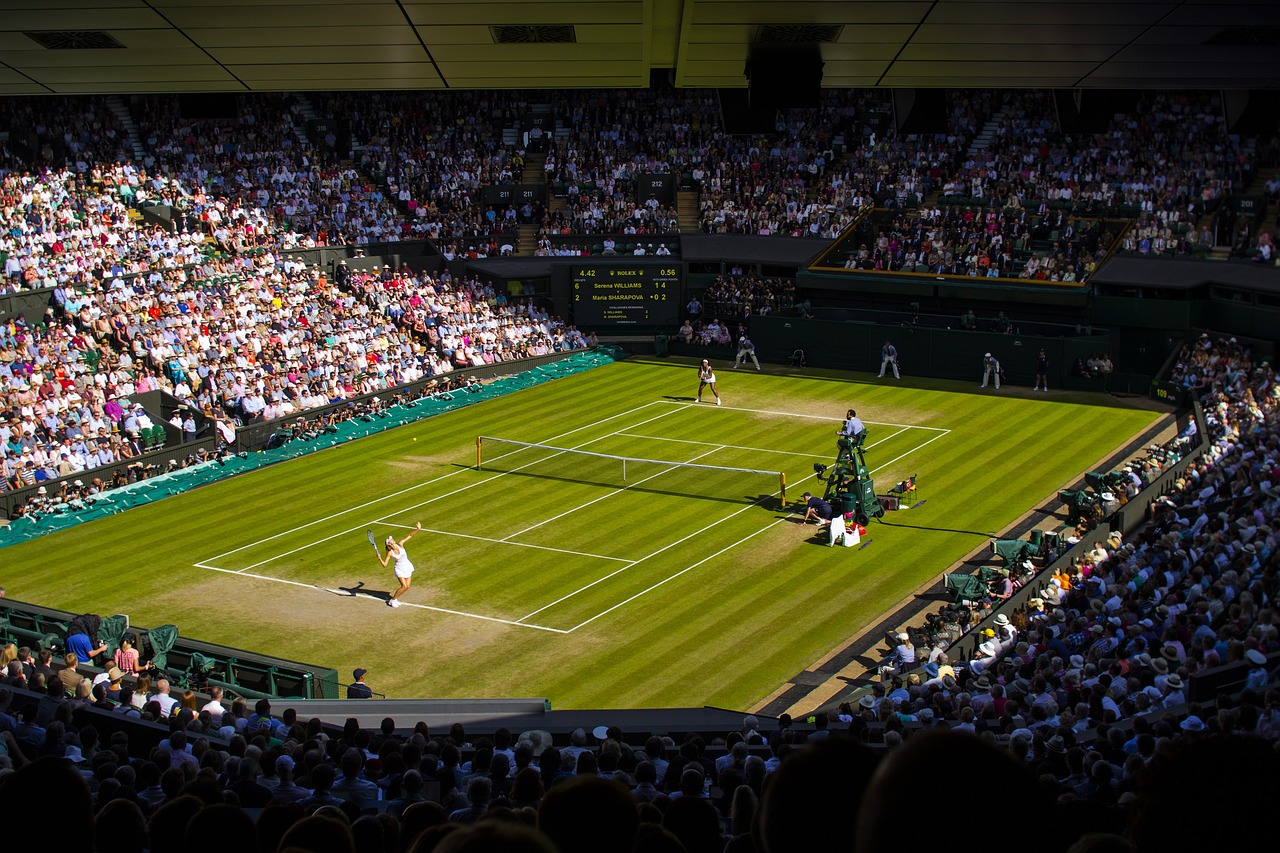
Wimbledon is using AI to generate tennis commentary for its Wimbledon app and website this year, leading the Guardian to start this article with the great phrase, “Game, set and chatbox”.
Should we be worried about AI generating commentary? AI already generates plenty of stats for sports and maybe it makes sense for commentary that hardly anyone listens to. But, for me, that excludes the BBC commentary which I enjoy hugely especially when it’s John McEnroe and Andrew Castle. But commentators will worry that the robots are coming for their jobs, just as they’re coming for journalists’ jobs.
Then there was this story about Paul McCartney using AI to clean up vocals recorded by John Lennon before he was killed. We should listen to pioneers and McCartney says of AI, “It’s something we’re all sort of tackling at the moment and trying to deal with. It’s the future, we’ll just have to see where it leads.”
It all felt a bit much, in the heat of late June.
Then I stumbled across this piece about AI in The New Yorker, which says: “The doomsday scenario is not a manufacturing AI transforming the entire planet into paper clips, as one famous thought experiment has imagined. It’s AI-supercharged corporations destroying the environment and the working class in their pursuit of shareholder value.”
It’s a very sound, very interesting article which concludes: “For technologists, the hardest work of all—the task that they most want to avoid—will be questioning the assumption that more technology is always better, and the belief that they can continue with business as usual and everything will simply work itself out. No one enjoys thinking about their complicity in the injustices of the world, but it is imperative that the people who are building world-shaking technologies engage in this kind of critical self-examination. It’s their willingness to look unflinchingly at their own role in the system that will determine whether AI leads to a better world or a worse one.” Over to the tech heads. Eeek.
This has nothing to do with media but was on my daily Guardian Business newsletter last month and is just shocking. When are we going to vote the Tories out of power and get the sort of supportive, community minded government we need in this country?
A newsletter I follow, the Digital Snapshot from the Audience Agency (an arts marketing organisation), highlighted this Twitter thread from Edinburgh Zoo saying it was “a case study in preparing for a social media backlash and standing behind your values”. Hear, hear and well done to Edinburgh Zoo and its comms team.
Of the course, the biggest media story of the past month, about BBC newsreader Huw Edwards allegedly paying a young person for explicit images, broke (to me) on Sunday night while I was still in Corfu. We entered the feverish, private speculation about who it might be, while The Sun and the BBC withheld his name. The story continued to build with further allegations and details about the timeline emerging this week as I write.
I have two things to say about this. What a bloody silly series of things to have supposedly done, if you are a high-profile TV personality. My thoughts are with the victims and, yes, Huw Edwards, as they suffer the anguish of realising they have behaved so inappropriately and foolishly. Mostly, I’m thinking of Edwards’ family, friends and colleagues whose lives are being shattered by his unwise actions. I see, after drafting this piece and after Edwards was confirmed by his wife as the presenter at the heart of this story, that he has understandably poor mental health at the moment and will no doubt plead moments of madness led him to act as he did. Where have we heard that before?
The second thing I would like to say about this story is please, please don’t use this as a stick to beat the BBC, as Rupert Murdoch’s Sun is clearly doing. The BBC is so much bigger than Huw Edwards and any individual scandal. Set the scandals against all the many millions of hours the BBC provides of joy, thought leadership, highs, lows, information, education and entertainment. To wit, Glastonbury last month and Wimbledon this month. Cheers!
 Lucy Rouse PR Blog